Hooked on the Story: How Pokie Themes Are Engineered to Keep You in the Game
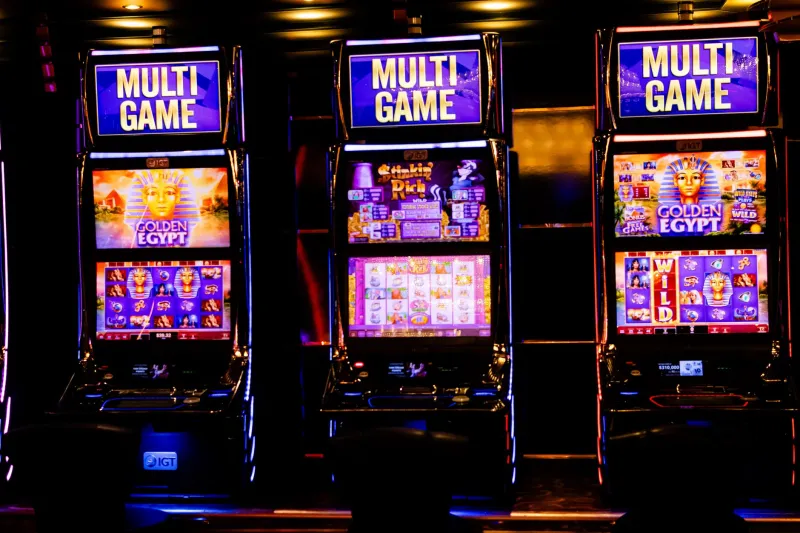
There's a specific moment most Aussie players know well. You sit down for what you've decided will be a quick twenty-minute session. Maybe you're on your lunch break, maybe you're unwinding after a long shift. You load up a game — something with golden scarabs, mysterious pyramids, and a soundtrack that feels like it was pulled straight from an Indiana Jones film — and the next time you check the clock, an hour has quietly disappeared.
That's not an accident. Not even close.
The themes wrapping around modern pokies aren't just cosmetic decoration slapped on top of a random number generator. They're carefully constructed emotional environments designed to pull you in, keep you curious, and — crucially — make leaving feel like walking out of a movie before the ending.
Why Theme Matters More Than Math (At Least to Your Brain)
From a pure mathematics standpoint, a pokie is a pokie. The reels spin, the RNG does its thing, and the outcome is entirely independent of whether the symbols are scarabs, kangaroos, or playing card suits. The volatility and RTP are baked into the code, not the artwork.
But here's the thing: your brain doesn't experience a pokie mathematically. It experiences it emotionally. And that's where theme becomes enormously powerful.
Game designers — particularly the studios competing hard for Aussie player attention right now — understand something fundamental about human psychology: we are wired for narrative. We find stories in everything, even where none exist. When a pokie wraps its mechanics inside a coherent world with characters, lore, and a sense of progression, our brains start treating it less like gambling and more like an unfolding experience. And unfinished experiences are uncomfortable to walk away from.
Psychologists call this the Zeigarnik effect — the tendency to remember and feel pulled toward incomplete tasks far more than completed ones. Game designers didn't invent this principle, but they've absolutely weaponised it.
The Worlds That Work Best on Aussie Players
Walk through any popular online casino targeting Australian players and you'll notice the same thematic clusters dominating the catalogue. Ancient Egypt is everywhere — and for good reason. The setting offers mystery, hidden treasure, and a sense that something ancient and powerful is just one spin away from being revealed. There's always more to uncover.
Australian wildlife themes are another big one, and they hit differently for local players. There's a familiarity and warmth to spinning alongside illustrated kangaroos, wombats, and kookaburras that an overseas player simply wouldn't feel the same way. That emotional connection — however subtle — creates a comfort and ownership over the experience. It feels like your game in a way a generic space-themed slot doesn't.
Other consistently sticky themes include:
- Ancient civilisations (Greek gods, Norse mythology, Aztec empires) — all built on the promise of hidden power and untold riches
- Adventure and exploration — treasure hunters, jungle expeditions, pirate voyages; themes that frame every spin as a step forward on a journey
- Fantasy and magic — dragons, wizards, enchanted forests; worlds where extraordinary outcomes feel plausible by design
- Pop culture tie-ins — licensed games built around films, TV shows, or music acts that players already have a deep emotional relationship with
What all of these share is a sense of world. Not just symbols, but a place with its own internal logic, atmosphere, and implied story.
The Mechanics That Make Themes Stick
Theme alone isn't enough to extend a session. The real magic happens when the narrative layers are reinforced by mechanical design choices that feel like they belong to the story.
Take the way bonus rounds are framed. In a well-designed themed pokie, free spins don't just arrive with a pop-up notification — they're triggered by a story beat. The explorer finds the hidden chamber. The pharaoh's seal is broken. The dragon awakens. Suddenly the bonus round feels like a reward for progress rather than a random probability event. You didn't just get lucky; you advanced.
Level-up systems, character upgrades, and unlockable features serve the same purpose. They give players a sense of accumulation — a feeling that continued play is building toward something beyond the next payout. That's a powerful psychological hook that pure math-based games simply can't replicate.
Sound design plays a huge role here too. The music in a well-themed pokie shifts dynamically — building tension before a feature triggers, swelling triumphantly during a big win, settling into a comfortable ambient loop during regular play. That sonic landscape reinforces the emotional world constantly, even when you're not consciously paying attention to it.
When Attachment Becomes a Blind Spot
Here's where it gets worth paying attention to as a player. The emotional investment that themed pokies cultivate is genuinely enjoyable — there's nothing inherently wrong with loving the world a particular game has built. But that attachment can quietly distort your decision-making in ways that are worth recognising.
Players who are emotionally connected to a specific game tend to extend sessions past their planned limits more often. They're more likely to chase losses within that game specifically — because leaving feels like abandoning something, not just switching entertainment. They're also more susceptible to sunk-cost thinking: I've been grinding this game for an hour, the feature has to hit soon.
Spoiler: the game has absolutely no memory of how long you've been playing. The RNG doesn't owe you a bonus because you've been loyal to it for sixty minutes.
None of this means you should avoid themed pokies. It just means going in with clear eyes about what the experience is actually designed to do.
Playing Smart Inside the Story
A few practical habits can help you enjoy the immersive experience without letting the theme work against you:
Set a session timer before you start, not after. Once you're inside a compelling game world, your sense of time genuinely warps. A visible countdown on your phone is harder to ignore than an internal sense of how long you've been playing.
Separate your emotional experience from your financial decisions. You can love a game's theme and still walk away when you've hit your limit. The two things don't have to be in conflict.
Try unfamiliar themes occasionally. If you notice you're only playing one or two specific games because you're attached to them, that's worth examining. Variety keeps the experience fresher and makes it easier to step back objectively.
Notice when you're chasing a story beat, not a payout. If you're staying in a session specifically because the bonus feels close, or because you want to see the next feature sequence, that's the theme doing its job — not the math giving you a signal.
The Bottom Line
The best themed pokies on the Australian market are genuinely impressive creative achievements. The studios building them are employing artists, composers, writers, and psychologists to construct experiences that feel alive. There's real craft in that.
But craft and entertainment are not the same thing as a fair fight between you and the house. Understanding how the emotional architecture of a themed pokie is built — what it's designed to make you feel and when — is one of the most useful things you can bring to your next session.
Play the story. Just know who wrote it.