So Close It Hurts: The Science Behind Near-Misses and Why They Keep Aussie Players Glued to the Reels
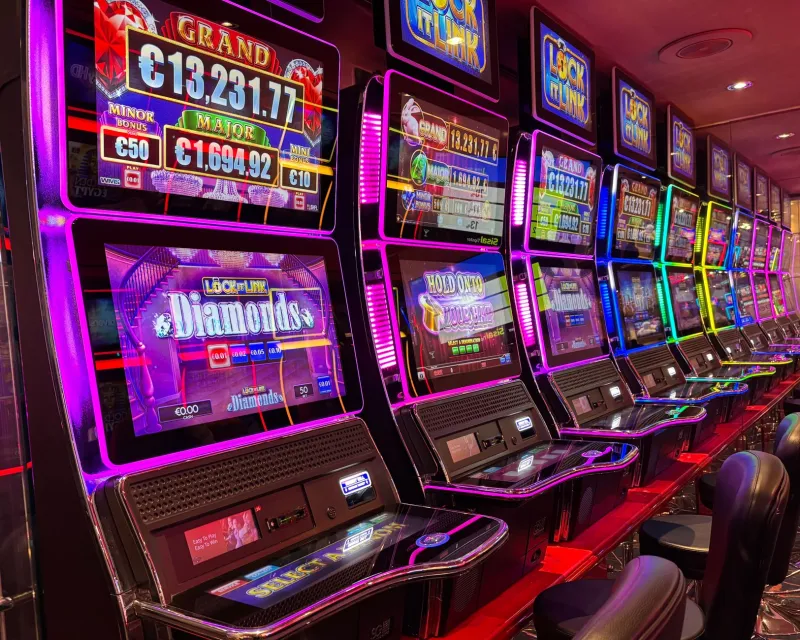
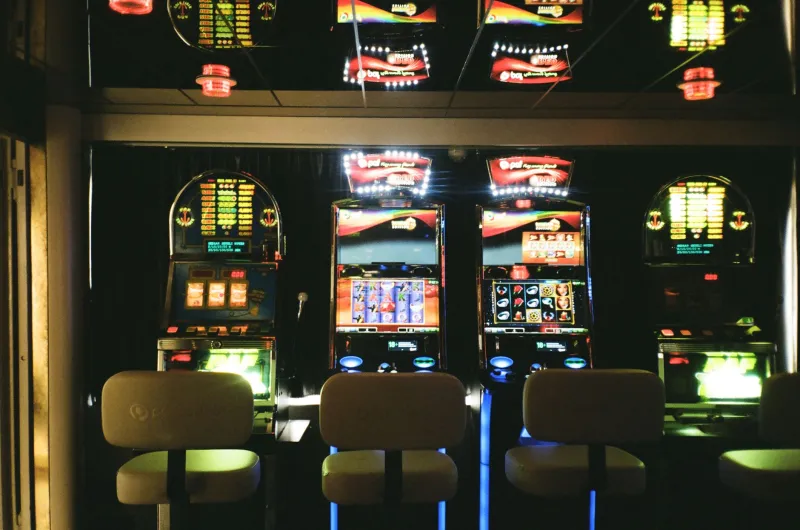
You know the feeling. Three reels spinning, the first two land on the golden symbol, and your chest tightens. Then the third reel slows — and stops one notch above the line. So close. Almost.
You hit spin again immediately.
That reaction isn't a quirk of your personality. It's not impatience or poor discipline. It's a deeply wired neurological response that pokie developers have spent decades learning to exploit with extraordinary precision. Understanding what's actually happening in those moments could genuinely change how you play.
What a Near-Miss Actually Is (And Isn't)
First, let's clear something up. A near-miss isn't a close call in any meaningful mechanical sense. The Random Number Generator (RNG) inside every licensed pokie has already decided the outcome before the reels even begin moving. The spinning animation, the slow-down, the dramatic near-stop — that's all theatre.
The result was never going to be a win. The 'almost' is entirely cosmetic.
So why does it feel so real? Because the visual result — two matching symbols with the third just out of reach — triggers the same emotional and neurological response as a genuine near-miss in the physical world. Your brain doesn't distinguish between "I almost caught that bus" and "that third symbol almost landed." The feeling of almost is processed identically.
And that feeling, it turns out, is incredibly powerful.
Your Brain on Almost
Researchers studying near-miss effects have found something striking: losing narrowly activates the brain's reward circuitry in ways that resemble winning. Studies using neuroimaging have shown that near-miss outcomes light up the ventral striatum — a region closely tied to motivation and dopamine release — almost as intensely as actual wins do.
In plain terms: your brain treats a near-miss as partial progress. It reads the event as evidence that you're getting closer, even though in a game governed by an RNG, proximity is a complete illusion. Each spin is statistically independent. The last result has zero bearing on the next.
But logic doesn't get a vote here. The dopamine response does. And dopamine says: try again, you're nearly there.
This is why near-misses are considered one of the most potent drivers of continued play in gambling research. They don't just fail to discourage further spinning — they actively encourage it.
How Developers Engineer the 'Almost'
This isn't accidental game design. The deliberate construction of near-miss experiences has been documented in academic literature and acknowledged by gaming regulators across multiple jurisdictions.
Here's how it typically works: in older mechanical slot machines, the physical weighting of reels meant that high-value symbols appeared more frequently just above or below the payline than pure probability would suggest. The jackpot symbol might genuinely be programmed to "tease" the line more often than it lands on it.
In modern video pokies — the kind you're playing on your phone or laptop right now — the same effect is achieved through symbol weighting in the RNG configuration. Developers can programme certain symbols to appear adjacent to winning positions more frequently without those positions ever technically paying out. The near-miss is baked into the maths.
Regulatory frameworks in Australia require that game outcomes be genuinely random and that near-misses not be artificially inflated beyond what pure probability would generate. But the line between "natural near-miss frequency" and "engineered near-miss frequency" is notoriously difficult to audit, and enforcement varies significantly.
The Escalation Effect
What makes near-misses particularly worth understanding is what they do to your betting behaviour after they occur.
Multiple studies have found that players consistently increase their bet size or shorten the gap between spins following a near-miss. The emotional arousal generated by the close call translates directly into more aggressive play. You feel warmer. Closer. Like this is the moment to push.
For players with a set session budget, this is where things get dangerous. A near-miss doesn't just encourage you to spin again — it often encourages you to spin bigger. And if that next spin is also a near-miss? The cycle intensifies.
This is the trap that game designers understand better than most players ever will. The near-miss isn't just a consolation prize for losing. It's a mechanism for escalating engagement precisely when rational thinking would suggest pulling back.
Spotting the Pattern in Real Time
The tricky thing about near-miss manipulation is that recognising it intellectually doesn't fully neutralise its effect. Knowing the bus was never really coming doesn't stop your heart from racing when you thought it was.
But awareness does help. Here are a few practical things to watch for during your next session:
Notice the emotional spike. When that third reel stops one position off, pause and observe your own response. Is there a genuine urge to spin immediately? That urge is the mechanism at work. Acknowledging it creates a small but meaningful gap between impulse and action.
Track your bet size after near-misses. If you're someone who adjusts bets mid-session, keep an eye on whether those adjustments cluster after close-call outcomes. Many players discover a consistent pattern they'd never consciously noticed.
Treat a near-miss as a loss — because it is one. Reframing the emotional experience matters. A near-miss isn't "almost winning." It's losing with extra theatre. Practising that mental reframe can blunt some of the motivational pull.
Set pre-session rules, not in-session rules. Decisions made in the heat of a near-miss are compromised decisions. Your spin limit, your session budget, your stop point — lock those in before you start, not after the adrenaline is already flowing.
Why This Matters More in Online Play
In a pub setting, near-misses are still potent — but there are natural interruptions. Someone asks if you want another drink. The footy's on. You have to get up and move.
Online pokies eliminate almost all of those friction points. You're alone, the game is frictionless, and the near-misses can stack up at a pace that's genuinely hard to process. Mobile gaming in particular — thumb on screen, lying on the couch at midnight — creates conditions where the near-miss effect can compound without any external circuit-breakers.
That's not a reason to avoid online play. It is a reason to build your own circuit-breakers deliberately: time limits, deposit caps, session alerts. The tools are there on every licensed Australian platform. Using them isn't weakness — it's just smart play.
The Bottom Line
Near-misses are one of the most cleverly engineered elements in modern pokie design. They exploit a genuine quirk in human psychology — our inability to emotionally process "close" as equivalent to "not even close" — and they do it in ways that are largely invisible unless you know what you're looking for.
The reels aren't conspiring against you. But they are designed with a very thorough understanding of how your brain works. Knowing that doesn't take the fun out of the game — it just means you're playing with your eyes open.
And that's always the smarter way to spin.