Summer Spending Sprees and Winter Couch Sessions: How Australia's Calendar Quietly Drives Your Pokie Habits

Most players think about their pokie habits in terms of individual sessions — how long they played, how much they spent, whether they had a good run. What they rarely think about is the bigger picture: how their behaviour shifts across weeks, months, and seasons in patterns that are surprisingly predictable.
The truth is, when and how Australians play online pokies is deeply tied to the national calendar. Cricket season, school holidays, Melbourne Cup week, the dead of a Sydney winter — these aren't just dates on a page. They're emotional contexts that reshape your mood, your free time, your spending mindset, and ultimately your relationship with the reels. Let's break down what's actually happening.
The Summer Holiday Spending Mindset
December and January sit in a peculiar psychological space for most Australians. On one hand, it's holiday season — time off work, family gatherings, a general loosening of the routine that governs the rest of the year. On the other hand, it's also the period of peak financial pressure: Christmas gifts, travel costs, end-of-year social commitments, and the particular anxiety of watching your bank account drain before the January pay cycle kicks back in.
This combination — relaxed routine plus heightened financial awareness — creates an interesting push-pull dynamic in gaming behaviour. The loosened structure means more idle time and a greater willingness to seek entertainment. The financial context, for some players, amplifies the appeal of the jackpot narrative. When money feels tight, the idea of a windfall feels especially attractive, even if the rational part of your brain knows the odds haven't changed.
Data from gaming platforms globally tends to show spikes in both new player registrations and session frequency during major holiday periods. Australia's summer-Christmas overlap creates a particularly pronounced version of this effect, concentrated into a few intense weeks.
Practical takeaway: If you're going to play during the silly season, set your limits before you open the app — not after your third session. The holiday mindset is genuinely more permissive than your everyday mindset, and that's worth accounting for.
The Quiet Withdrawal of Autumn
February and March tend to bring a natural correction. The post-holiday hangover — financial and emotional — kicks in, and many players pull back significantly. Budgets get reassessed. Routines re-establish themselves. The urgency of summer fades.
For regular players, this is actually a useful reset window. The shift in mood naturally reduces impulsive session lengths. If you've been meaning to review your spending habits or adjust your bankroll approach, the calmer psychological climate of early autumn is genuinely a better time to do it than the charged atmosphere of summer.
Winter: The Couch Season Effect
Here's where Australia's geography creates something genuinely unique. Unlike the northern hemisphere, where winter gambling spikes are partly driven by extreme cold that keeps people indoors for months, Australia's winter is more moderate — but still cold enough, particularly in Victoria, NSW, Tasmania, and the ACT, to meaningfully shift leisure behaviour.
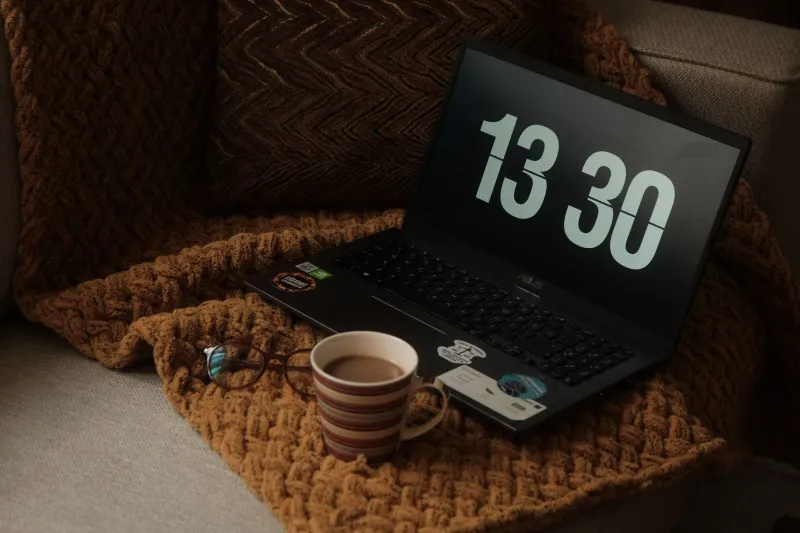
Winter in Australia is couch season. The outdoor lifestyle that defines summer gives way to evenings at home, streaming services, blankets, and — increasingly — mobile gaming. Online pokie sessions tend to get longer in winter, not necessarily more frequent, but more sustained. When there's nowhere else you particularly want to be, the resistance to "just one more spin" weakens considerably.
The absence of outdoor activity also removes a natural circuit-breaker. In summer, a long session might end because you want to get outside, meet someone, or do something else. In winter, those alternatives feel less compelling.
Practical takeaway: Winter sessions creep. Build a specific time limit into your winter gaming — not just a spend limit — because the extended evenings will work against you if you don't.
The Sporting Calendar Factor
Australia's relationship with sport is, to put it mildly, intense. And the sporting calendar has a measurable effect on gaming behaviour — though not always in the direction you might expect.
During major events like the cricket season, the AFL and NRL finals, or the Australian Open, many players actually reduce their pokie time in favour of following the action. Attention and leisure spending consolidate around the event. But there's a secondary effect: the intervals between major sporting events — the quiet weeks in the sporting calendar — see a compensatory uptick in other forms of entertainment, including online slots.
Melbourne Cup week is its own category entirely. The first Tuesday in November functions as a national permission slip for gambling, and the social energy around racing tends to spill over into adjacent gaming activities. Players who might not normally open a casino app during a regular Tuesday find themselves already in a gaming mindset, and the transition to pokies feels natural.
School Holidays: The Hidden Variable
For players who are parents, school holidays represent a dramatic restructuring of daily life. Routines collapse. Sleep schedules shift. The quiet hours that might normally accommodate a relaxed gaming session get consumed by childcare logistics.
Interestingly, this doesn't necessarily reduce gaming — it relocates it. Many parent-players report shifting to late-night sessions during school holidays, playing later than usual after kids are in bed. Late-night play, as we've explored elsewhere on Golden Reels AU, tends to correlate with less disciplined decision-making. Fatigue affects impulse control in ways that are well-documented in behavioural research.
Practical takeaway: If school holidays are disrupting your normal gaming rhythm and pushing you to later, more tired sessions, that's worth recognising explicitly. The session you start at midnight on a Tuesday in January is a different cognitive experience than your usual Saturday afternoon spin.
Reading Your Own Seasonal Patterns
The most useful thing any player can take from all of this is simple: your gaming behaviour is not static, and it's not random. It follows patterns tied to the Australian calendar that are largely predictable once you know to look for them.
Spend a few minutes thinking about the last twelve months. Were your biggest sessions in summer? Did you play longer during the winter months? Did a major sporting event shift your habits in either direction? Chances are, you'll spot something.
Self-knowledge is the most underrated tool in responsible gaming. Understanding that your mood, your available time, and your spending mindset all shift across the year means you can prepare for those shifts rather than being caught off-guard by them. Set your seasonal limits in advance. Review your approach at the start of each major period — summer, school holidays, the footy finals window.
The calendar doesn't control you. But it's definitely nudging you — and now you know where to look.